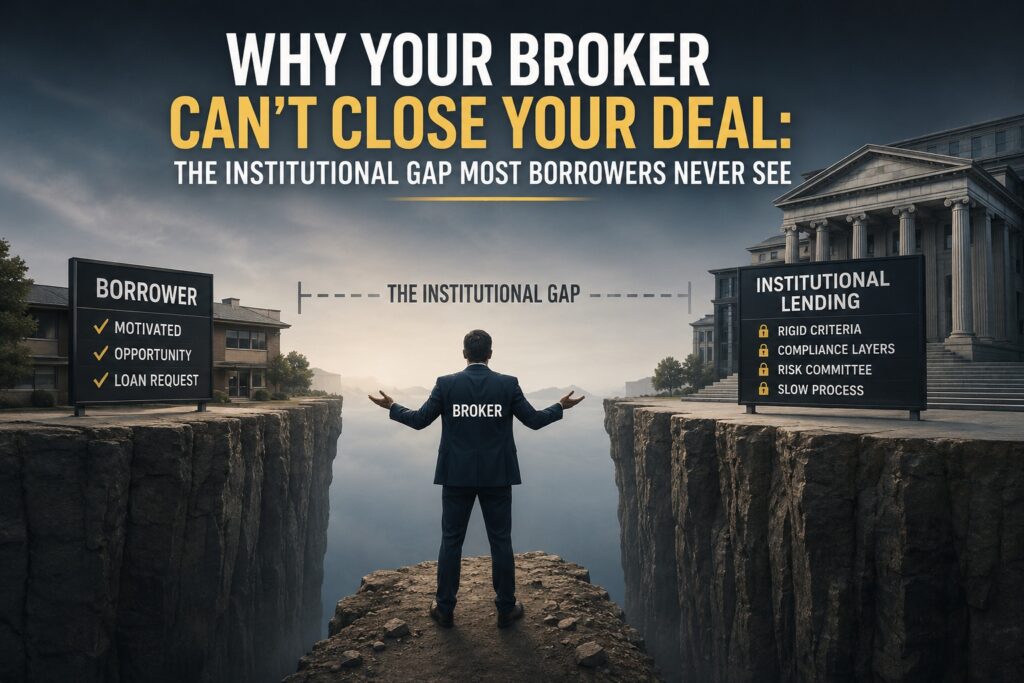

Founders who build fast-growing businesses often assume that skill transfers straight into the fundraising process, and that assumption is exactly why so many smart founders make the worst capital raise clients. The instincts that helped them win customers, beat competitors, and scale operations rarely match what a lender or investor actually wants to see. Confidence, speed, and independence built the business, but those same traits create friction the moment underwriters, credit committees, and term sheets enter the picture.
This article walks through why intelligent, accomplished founders so often struggle when it’s time to raise money, and what that struggle actually costs them. You’ll see the specific mistakes that show up again and again, from thin documentation to sunk-cost thinking to shopping a deal too widely. You’ll also see what a disciplined advisory process, like the one used at Equis Capital Finance, does to correct these blind spots before they sink an otherwise fundable deal. Keep reading to see where your own confidence might be working against you.
Key Takeaways
- Confidence in running a business doesn’t guarantee success in raising capital. Lenders judge risk, documentation, and structure, not track record alone.
- Overconfidence often leads founders to skip proper documentation and rush negotiations they aren’t prepared for.
- Resisting advisor guidance and structured process slows deals down and increases the odds of rejection.
- Sunk-cost thinking and shopping a deal too widely can quietly damage a founder’s reputation with lenders.
- Working with an experienced advisor turns raw confidence into a properly structured, fundable capital raise.
Why Do Smart Founders Struggle With Capital Raises?

Smart founders struggle with capital raises because they mistake operational expertise for capital markets expertise, two skill sets that don’t overlap as much as they assume. Running a profitable business and structuring a fundable loan or equity round require entirely different instincts, and confusing the two is where most founder-led raises go wrong. A founder who has built a company through intuition, speed, and hands-on control often expects lenders to respond to that same energy. Instead, credit committees respond to documentation, cash flow predictability, and collateral, none of which reward charisma or past wins on their own.
This mismatch matters because it doesn’t just slow deals down, it actively kills otherwise fundable opportunities. A business can have strong fundamentals and still fail to raise money simply because the founder handled the process poorly, a dynamic explored in research on financial resilience and growth among early-stage U.S. companies. That gap between a good business and a well-executed raise is where most of the damage happens, and it’s rarely about the underlying numbers.
The Real Cost Of Getting It Wrong

The cost of a mishandled raise shows up in hard numbers, not just frustrated founders, as a comprehensive study of startup failures has documented the financial pressures that push otherwise viable companies out of business.
- According to CB Insights research on startup failure reasons, 38% of failed startups cite running out of cash or an inability to raise additional funding.
- Statistics Canada’s Survey on Financing and Growth of Small and Medium Enterprises has found that roughly one in five Canadian SMEs seeking external financing are turned down or only partially approved, often due to weak packaging rather than weak fundamentals.
- Innovation, Science and Economic Development Canada’s small business statistics show that about 60% of new Canadian small businesses survive at least three years, a tight margin that a stalled or bungled raise can quickly erase.
What Fundraising Mistakes Do Smart Founders Make Most Often?

The most common fundraising mistakes made by smart founders fall into a handful of repeating patterns that show up across industries and deal sizes. Each one starts as a reasonable instinct built from prior business success, then backfires the moment it meets a lender’s underwriting process. Recognizing these patterns is the first step toward fixing them before they cost a founder a deal, particularly since long-run business entry and exit trends show shrinking margins for error as capital markets grow more selective.
Overconfidence In Documentation And Their Own Story
Many founders assume their track record speaks for itself, so they submit thin spreadsheets and glossy sales brochures instead of investor-grade business plans. They believe a strong narrative can substitute for a detailed use-of-proceeds breakdown or clean financial statements. Lenders don’t work that way. A submission built on confidence rather than documentation is one of the fastest routes to a quiet, unexplained rejection.
Resisting Advisor Guidance And Feedback
Founders used to being the most capable person in the room often treat advisors as order-takers instead of strategic partners. When an advisor flags a weak valuation or a red flag in the financials, the instinct is to argue rather than adjust. This dynamic wastes time that could have gone toward fixing the actual problem before it reaches an underwriter’s desk.
Shopping The Deal Too Widely, Too Early
Canada’s lending and investment community is small and tightly connected, and lenders talk to one another far more than founders expect, which lines up with research on entrepreneurs’ criteria and deal breakers used throughout investor selection processes. Sending the same rough deck to every possible lender at once can gain a deal a negative reputation before it ever gets properly refined. Once several parties have seen and passed on a weak version, every future pitch becomes harder to place.
Sunk-Cost Thinking And Rigid Deal Structures
Founders who have already invested time and ego into a particular deal structure tend to double down on it, even after multiple rejections. Rather than reconsidering the capital stack, they insist on unconventional or overengineered structures that create friction with underwriters. A flexible, conventional structure usually closes faster and on better terms than a clever one built to prove a point.
Impatience With Underwriting And Timelines
Founders accustomed to fast decisions in their own business often see slow underwriting as incompetence rather than due diligence. This impatience shows up as pressuring advisors to skip steps or walking away from a deal prematurely, assuming silence means rejection. In reality, due diligence protects both sides, and rushing it rarely speeds anything up.
How Can Founders Become Better Capital Raise Clients?

Becoming a better capital raise client starts with separating business confidence from capital markets expertise, then applying that same intelligence to working within the process rather than around it. Founders who make this shift consistently close faster and negotiate better terms, not because they became less capable, but because they stopped fighting the parts of the process designed to protect everyone involved, a finding consistent with research on founder ambitions and startup financing outcomes. The goal isn’t to lose your edge, it’s to redirect it toward the right problems.
Practical Steps To Improve Your Fundraising Approach
A few concrete habits make the difference between a founder who frustrates lenders and one who earns their confidence. These steps are simple to describe but require real discipline to follow through on, especially for founders used to moving fast and trusting their own instincts.
- Separate operational confidence from capital markets know-how. Running a business well doesn’t automatically mean you understand what a credit committee needs to see.
- Prepare clean, organized documentation before you start actively raising. Financial statements, tax returns, and cash flow projections should be ready before the first lender conversation, not scrambled together after.
- Treat advisors as strategic partners, not order-takers. A good advisor has seen far more deals than you have and knows the patterns that separate approvals from rejections.
- Stay open to feedback, even when it challenges your own read on the business. Adjust expectations around valuation and terms based on real market conditions.
- Respect the timeline as protection, not obstruction. Due diligence exists to reduce risk for both you and the lender, not to slow you down for no reason.
A useful way to think about it: due diligence isn’t the obstacle between you and your funding, it’s the process that makes the funding possible in the first place.
How Does Equis Capital Finance Bring Discipline To The Capital Raise Process?
Equis Capital Finance addresses these founder blind spots by inserting a structured readiness step before any lender ever sees the deal. Instead of shopping a rough deck widely and hoping something sticks, the firm evaluates whether the capital request is achievable, how it needs to be structured, and which risks need addressing first. That sequencing alone corrects much of the overconfidence and sunk-cost thinking that trips up experienced founders.
Our Capital Readiness Assessment And Structuring Approach
The Capital Readiness Assessment is a structured, advisory-led review that answers one question before anything else: is this deal actually fundable as it stands? It looks at whether the proposed capital stack, whether senior debt, mezzanine financing, or equity, actually fits current lender policy rather than the founder’s own assumptions from a past deal. From there, the team prepares investor-grade business plans and concise information memorandums written in the language credit committees expect, replacing decks that read more like sales brochures than credit submissions. With over 20 years of principal-side lending experience, the firm knows exactly where founders tend to overestimate lender flexibility and underestimate documentation requirements.
A Wide Lender Network And Relationship-First Outreach

Rather than shopping a deal to every possible lender, the firm works from a relationship-first approach that targets a short list of genuinely suitable capital sources. Its network spans banks, credit unions, pension funds, insurance companies, trust companies, mortgage investment corporations, and family offices across Canada and the United States. That focus protects a founder’s reputation in a lending community where committees talk to one another, and it means the right lenders see a refined, ready story only once, instead of a rough version passed around multiple times.
Final Thoughts
Being a brilliant operator and being an easy, effective capital raise client are two different skill sets, and confusing them is where most founder-led raises stall. Confidence, speed, and independence built the business, but applied without adjustment, those same traits can slow down or sink an otherwise fundable deal. Founders who separate the two, preparing clean documentation, staying open to feedback, and respecting the timeline, dramatically improve their odds of closing on favourable terms, echoing evidence that survival multipliers vary widely by sector and depend heavily on preparation and structure.
Combining that founder confidence with a disciplined advisory process, like the Capital Readiness Assessment used at Equis Capital Finance, turns raw ambition into a properly structured, fundable raise. If you’re planning to raise capital in the next few months, take an honest look at your documentation, your structure, and your timeline expectations before you approach a single lender. That one step often makes the difference between a fast close and months of frustration.
Frequently Asked Questions
Question: Why do lenders reject deals from experienced or successful founders?
Lenders evaluate risk, collateral, and documentation quality, not a founder’s track record alone. Confidence without proper packaging often reads as a red flag rather than a strength, since it signals the founder hasn’t prepared the file the way an underwriter needs it presented.
Question: How long does a typical capital raise or underwriting process take?
Institutional lending and structured finance typically take several weeks to a few months, depending on complexity. That timeline reflects due diligence steps designed to protect both the borrower and the lender, not inefficiency on either side.
Question: What is a Capital Readiness Assessment?
A Capital Readiness Assessment is a structured, advisory-led review conducted before approaching any lender. It evaluates whether a deal is achievable as structured, what changes are needed, and which risks or documentation gaps must be addressed first.
Question: Should founders negotiate directly with lenders instead of using an advisor?
Generally, no. Direct founder-to-lender negotiation risks inconsistent messaging and can undercut the leverage an advisor builds by creating competitive tension among multiple capital sources and controlling how information gets shared.
Question: What documents do founders need to prepare before raising capital?
Founders typically need financial statements, tax returns, cash flow projections, collateral documentation, and a clear business plan. Organized, complete documentation speeds up underwriting significantly and improves the odds of approval.
Question: How does a poorly shopped deal affect future fundraising attempts?
Canada’s lending and investment community is small and interconnected, so lenders often compare notes on deals they’ve seen. Multiple rejections on the same weak version can damage a sponsor’s reputation and lead to stricter pricing on future attempts.